

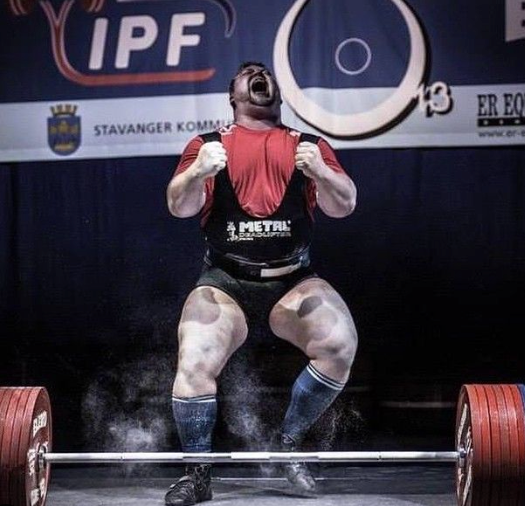
IPF Powerlifting Rules Explained: What Lifters Need to Know
The International Powerlifting Federation (IPF) is widely recognized for its structured, standardized approach to competition. With a strong emphasis on consistency, technical execution, and uniform equipment standards, the IPF offers a competitive environment that is distinct within the sport of powerlifting.
Recent announcements and discussions surrounding potential IPF rule updates for 2026 have renewed conversation across the powerlifting community. As with any long-standing federation, updates to standards naturally invite discussion from athletes, coaches, officials, and fans alike.
Note: This article is for general education and discussion only. Official IPF rules, interpretations, and equipment approvals are governed by the federation and may change over time.
What Sets the IPF Apart
The IPF’s rulebook is designed to minimize variability across meets worldwide. From weigh-in procedures to lift execution and platform conduct, the federation prioritizes consistency so that results are comparable regardless of location.
For many lifters, this structure is part of the appeal. Others simply want clarity around expectations when choosing which federation best aligns with their goals.
Some Updated IPF Competition Standards Going Viral
-
No jewelry on the platform
Rings, necklaces, bracelets, and similar accessories are not permitted during competition lifts. -
Controlled platform conduct
Lifters are expected to maintain composure following attempts, regardless of outcome. -
Feet visibility at weigh-ins
Weigh-in procedures require lifters to show bare feet for accurate verification. -
Strict bench press execution
Any downward movement of the bar after the press command is not permitted.
These standards reflect the IPF’s emphasis on discipline, uniform execution, and clearly defined judging criteria.
Looking Ahead to 2026
As the IPF evaluates potential updates for 2026, early discussions suggest a continued focus on execution clarity, judging consistency, and standardized enforcement. While details may evolve, the broader intent appears centered on maintaining uniform competition conditions across international platforms.
As expected, these conversations have generated a wide range of perspectives. Some lifters welcome increased clarity, while others prefer more flexibility. Both viewpoints are part of an ongoing, healthy dialogue within the sport.
When rules influence lift execution and judging outcomes, even small adjustments can have meaningful impact. Staying informed helps lifters prepare and adapt.
IPF Approved Barbells and Equipment Standards
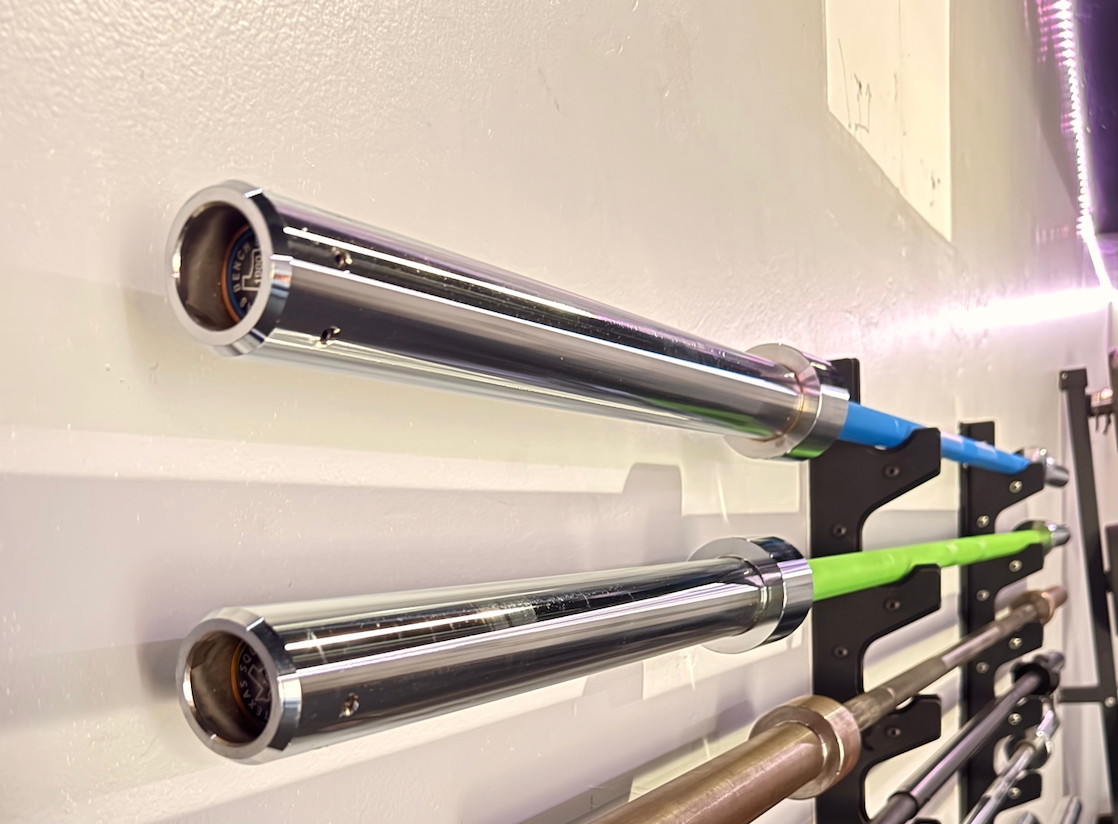
The IPF maintains strict equipment standards to ensure consistency across competitions worldwide. This includes approved and certified barbells that meet specific requirements for shaft diameter, knurling pattern, sleeve construction, rotation, and overall performance.
For lifters preparing for IPF competition—or those who prefer training under similar standards— using an IPF approved barbell or IPF certified barbell can help create familiarity with platform conditions and judging expectations.
Many athletes choose to train year-round with IPF competition-style barbells, while others rotate between competition-approved equipment and specialty bars depending on the phase of training.
Training with an IPF approved barbell is not required for progress, but it can be a useful tool for athletes planning to compete under IPF standards or those who value a highly controlled, competition-style training environment.
Texas Power Bars produces a wide range of competition-style and federation-approved barbells used across multiple powerlifting organizations, as well as specialty bars designed to support long-term strength development.
Always verify current federation equipment approval lists when preparing for competition, as certifications and standards may change.
Final Thoughts
The IPF has always been transparent about its philosophy and standards. As discussions around 2026 continue, staying informed allows lifters to make educated decisions that align with their goals and competitive preferences.
Regardless of federation, thoughtful conversation around rules, equipment, and execution plays an important role in the continued evolution of powerlifting.

4 comments
Nick
Donna
composure at the bar after the lift/press/pull. Does this mean we can’t get excited by 3 reds and leap into the air with a raised fist to happily celebrate?
Johnski
I agree with the bench press rule change. Need to demonstrate a clean lift which means a press, not a rib-cage spring out of the hole and lock out. I’m less concerned about the others. Folks get excited, I love the fire. Jewelry, clear feet on a scale, meh – who cares.
Kurt Hachey
Remember athletes you are free agents no fed owns you . Compete where you have fun , feel.most comfortable,supported . The great thing about the sport is we have choices where we spend our money( remember we pay them not them paying us ) I don’t compete in IPF because it simply doesn’t fit my personality, the type of meets promoters athletes I want to compete with and against. I have many reasons I’m not a fan of IPF but I don’t feel debates , arguments, negativity helps the sport grow , improve as well as my goals and peace of mind !!
Leave a comment
All comments are moderated before being published.
This site is protected by hCaptcha and the hCaptcha Privacy Policy and Terms of Service apply.