

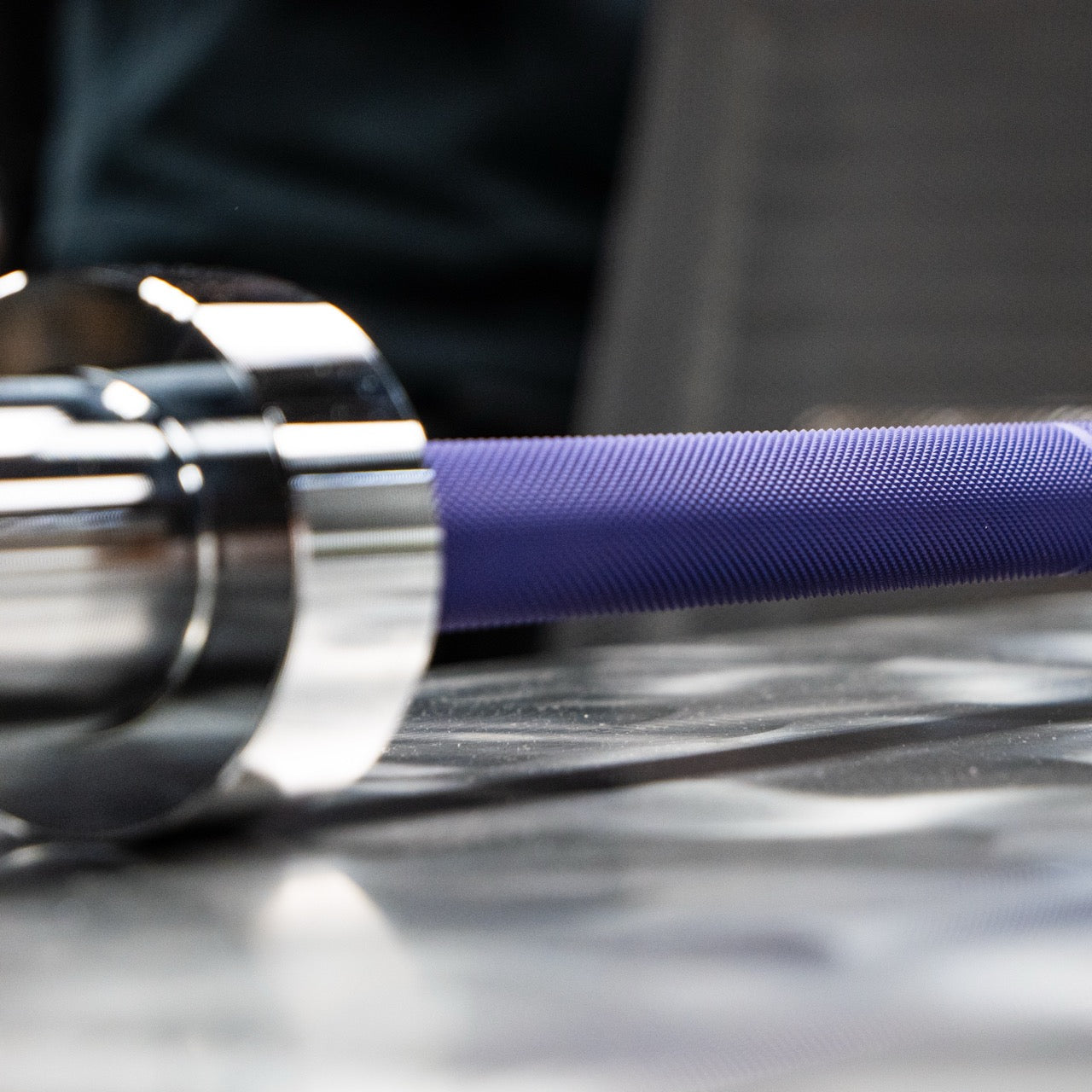
Whip vs Bend vs Flex: Understanding Barbell Dynamics
In strength training, the words whip, bend, and flex get used all the time. But they do not all mean the same thing.
Some bar movement is normal. Some bar movement is intentional. And some bar movement is a problem.
Understanding the difference helps lifters choose the right barbell for the right lift instead of fighting their equipment.
At Texas Power Bars, we have been building barbells in Texas since 1980. Every bar we build has a purpose. A deadlift bar should not feel like a squat bar. A squat bar should not move like a deadlift bar. A power bar should give lifters consistent control across the big three lifts.
Quick Answer
Flex is the bar’s ability to bend under load and return to straight.
Whip is the timing and oscillation of the bar as it moves dynamically.
Permanent bend is when a bar does not return to straight. That is damage, not performance.
The right amount of movement depends on the lift. Deadlifts can benefit from controlled flex. Squats and bench press usually demand stiffness and stability.
Whip, Flex, and Bend: What Do They Mean?
These terms are often used interchangeably, but they describe different barbell behaviors.
Flex
Flex is the bar’s ability to bend under load and return to straight. Good flex is controlled, intentional, and repeatable.
Whip
Whip is the oscillation or rebound of the bar during movement. It is about timing, rhythm, and how the bar moves dynamically.
Permanent Bend
Permanent bend is when the bar does not return to straight. That is not useful flex. That is a damaged or poorly built bar.
The key question is not simply whether a bar moves. The key question is how it moves, when it moves, and whether it returns to true.
Not All Bar Movement Is Bad
A barbell moving under load does not automatically mean something is wrong. In some lifts, movement is part of the design.
A deadlift bar is supposed to flex. An Olympic weightlifting bar is supposed to have controlled whip. A squat bar is supposed to resist movement as much as possible.
The wrong bar for the job can make a lift feel harder, less predictable, or less efficient.
Think of Barbells Like Tools
You can use the wrong tool and still get the job done, but the right tool makes the work smoother, safer, and more efficient. Barbells work the same way.
The Deadlift Bar: Built for Controlled Flex
The most obvious example of intentional bar movement is the deadlift bar.
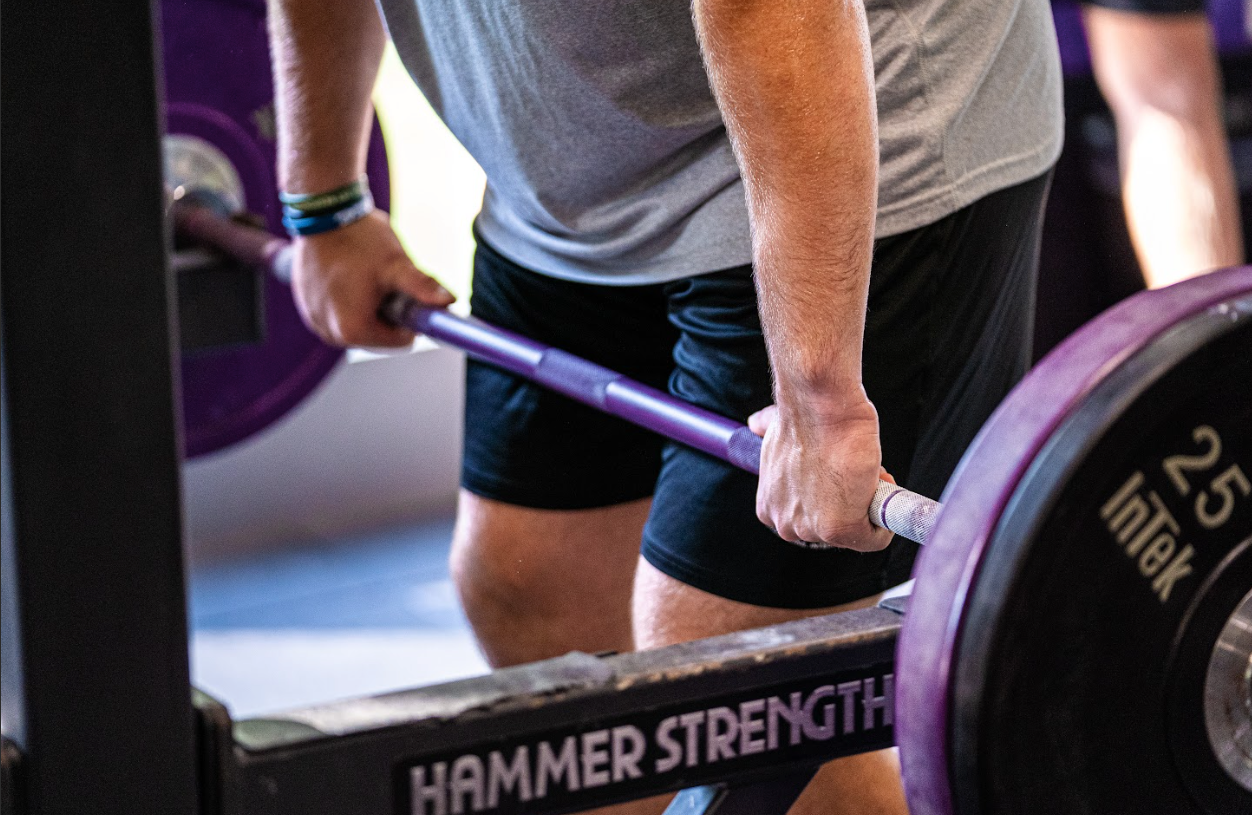
A true deadlift bar is built to flex under load. As the lifter pulls, the bar begins to bend before all the plates fully leave the floor. This allows the lifter to build tension before the full load is engaged.
That controlled flex can be an advantage during heavy pulls, but only if the bar is engineered correctly.
The Texas Deadlift Bar is built for this exact purpose. It is designed to bend under load and return properly, giving lifters the controlled flex they want without permanent deformation.
Where Controlled Flex Helps
- Heavy deadlifts
- Pulling from the floor
- Building tension before the full load breaks
- Maximal strength attempts
- Lifters who want a purpose-built pulling bar
Why Steel Quality Matters
A proper barbell must flex and return to straight. That is where steel quality, heat treatment, shaft design, and manufacturing consistency matter.
Low-quality bars may bend, but they may not return correctly. That is the difference between controlled flex and permanent damage.
A good barbell is engineered to move within its intended range and then return to true. A damaged or poorly built bar stays bent.
The Squat Bar: When Rigidity Rules
For heavy squats, extra bar movement is usually the enemy.
When a loaded bar is on your back, you want it to feel planted. You do not want bounce, sway, or unwanted oscillation during the walkout, descent, or ascent.
A stiffer bar can help:
- Improve balance during the walkout
- Reduce unwanted oscillation
- Keep force directed more consistently
- Improve confidence under maximal loads
This is why the Texas Squat Bar exists. It uses a thicker shaft and purpose-built design to maximize rigidity and stability when movement is the enemy.
Bench Press: Why Stiffness Still Matters
Bench press does not usually create the same visible bar movement as a heavy squat or deadlift, but stiffness still matters.
Excessive bar movement can disrupt tightness, bar path, and control off the chest. A stiffer bar gives lifters a more predictable press and a more stable feel in the hands.
This is one reason many serious lifters prefer a stiff power bar for heavy bench training.
The Power Bar: The Middle Ground for the Big Three
A power bar is designed to handle squat, bench press, and deadlift in one bar.
It should be stiff enough for heavy squats and bench press, durable enough for long-term training, and responsive enough to handle deadlifts without feeling like the wrong tool.
The Texas Power Bar ORIGINAL delivers the standard, classic Texas Power Bar feel with proven durability since 1980.
The Texas Power Bar PRO and Texas Power Bar ELITE upgrade lifters into a stiffer 29mm platform built for less whip, more control, and a more modern powerlifting feel.
| Bar Type | Movement Goal | Best Use |
|---|---|---|
| Power Bar | Controlled stiffness | Squat, bench press, and general powerlifting |
| Deadlift Bar | Controlled flex | Heavy pulls from the floor |
| Squat Bar | Maximum rigidity | Heavy squats and maximal stability |
| Olympic Weightlifting Bar | Timed whip | Snatch and clean & jerk |
Whip in Olympic Weightlifting
Olympic weightlifting is one of the clearest examples of whip being useful. In the snatch and clean & jerk, the bar’s oscillation can help the lifter when timed correctly.
During a clean and jerk, the bar bends and rebounds as the lifter moves through the lift. That rebound can help transfer force when the timing is right.
But too much whip can throw off timing. That is why Olympic bars are designed with a specific kind of elasticity: enough whip to support dynamic lifts, but controlled enough to stay predictable.
Powerlifting is different. For squat and bench press, most lifters want less whip, not more.
When Bar Movement Becomes a Problem
Temporary flex is normal when a bar is designed for it. Permanent bend is not.
A bar that stays bent after use may be a sign of poor steel quality, improper design, abuse, or a bar being used outside its intended purpose.
Some warning signs include:
- The bar does not roll straight
- The shaft has a visible permanent curve
- The bar feels uneven during rotation
- The bar moves unpredictably under normal loading
A quality bar should perform under load and return to straight when used correctly.
Choosing the Right Bar for the Job
The right bar depends on your main training goal.
If You Want One Bar for Squat, Bench, and Deadlift
Choose a power bar. The Texas Power Bar ORIGINAL gives you the standard classic feel. The PRO and ELITE give you a stiffer 29mm upgrade with less whip and more control.
If You Want Maximum Squat Stability
Choose the Texas Squat Bar. It is built to reduce movement and create a more planted feel under heavy squat loads.
If You Want a Bar Built for Pulling
Choose the Texas Deadlift Bar. It is built with controlled flex to help lifters build tension off the floor.
Bars Built With Purpose Since 1980
Texas Power Bars has been building American-made barbells since 1980, with designs engineered for their exact purpose.
- Power bars built for squat, bench press, and deadlift consistency
- Deadlift bars built to flex and recover
- Squat bars built for maximum rigidity and stability
- Training bars built for the needs of different lifters and programs
The goal is simple: build the right bar for the job.
Find the Right Bar for Your Lift
Compare power bars, deadlift bars, squat bars, and specialty bars to find the right tool for your training.
Final Thoughts
Whip, flex, and bend are not the same thing.
Flex is controlled movement that returns to straight. Whip is dynamic oscillation and timing. Permanent bend is damage.
The right amount of bar movement depends on the lift. Deadlifts can benefit from controlled flex. Olympic lifts use timed whip. Squats and bench press usually demand stiffness and stability.
If you want one bar for powerlifting, choose the Texas Power Bar ORIGINAL, Texas Power Bar PRO, or Texas Power Bar ELITE. If you want a purpose-built bar for one lift, choose the Texas Deadlift Bar or Texas Squat Bar.
In strength training, the right tool always matters.


Leave a comment
All comments are moderated before being published.
This site is protected by hCaptcha and the hCaptcha Privacy Policy and Terms of Service apply.