

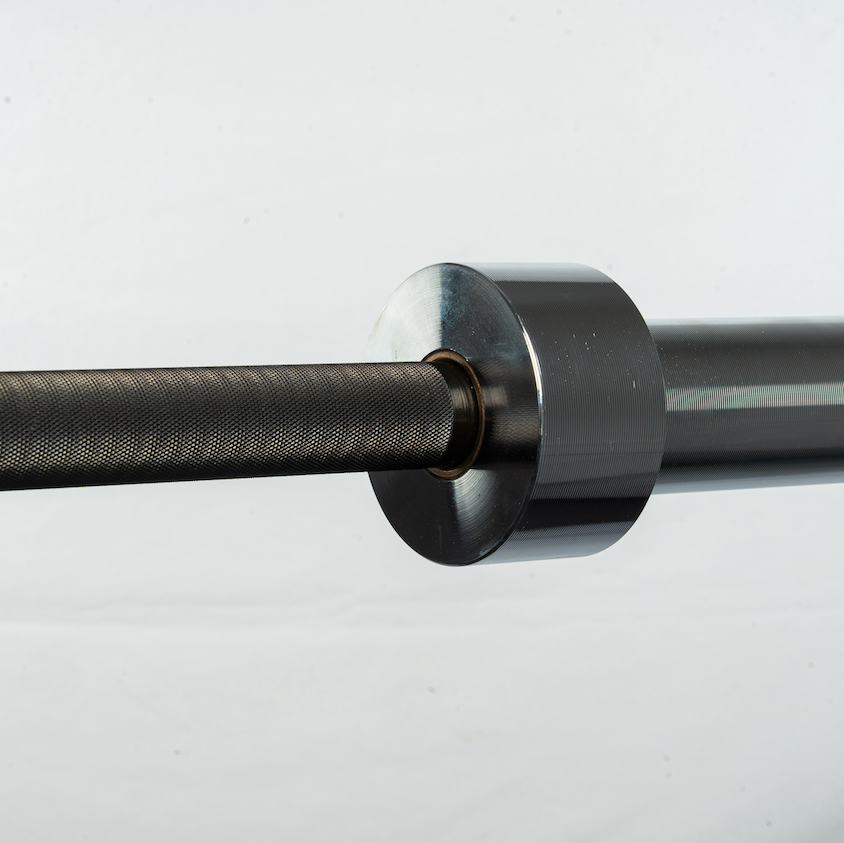
Top 5 Signs It’s Time to Upgrade Your Barbell
Many lifters train for years before realizing the barbell — not the program — may be holding them back.
When lifts start feeling inconsistent, grip becomes a constant fight, the sleeves feel loose, or the bar moves more than it should, it may not be a strength issue. It may be an equipment issue.
A barbell is the one piece of equipment you touch on almost every serious lift. Squat, bench press, deadlift, rows, presses, pulls — the bar is always part of the equation.
Here are five signs it may be time to upgrade your barbell, especially when training heavy, chasing PRs, or building a gym around equipment that needs to last.
Quick Answer
It may be time to upgrade your barbell when the bar feels unstable under heavy weight, the knurl feels slick, the sleeves rattle or develop excessive play, sleeve space becomes limited, or the bar no longer matches your training goals.
For most lifters upgrading into serious strength training, the Texas Power Bar PRO or Texas Power Bar ELITE gives a stiffer 29mm shaft, better control, upgraded sleeve space, multiple knurl options, and a more refined powerlifting feel.
1. Your Bar Feels Unstable During Heavy Squats or Bench Press
Some bar movement is normal. But during heavy squats and bench press, too much movement can make the lift feel unstable before strength is even the issue.
A bar that flexes, shakes, or oscillates too much can affect timing, balance, bar path, and confidence under load.
What to Watch For
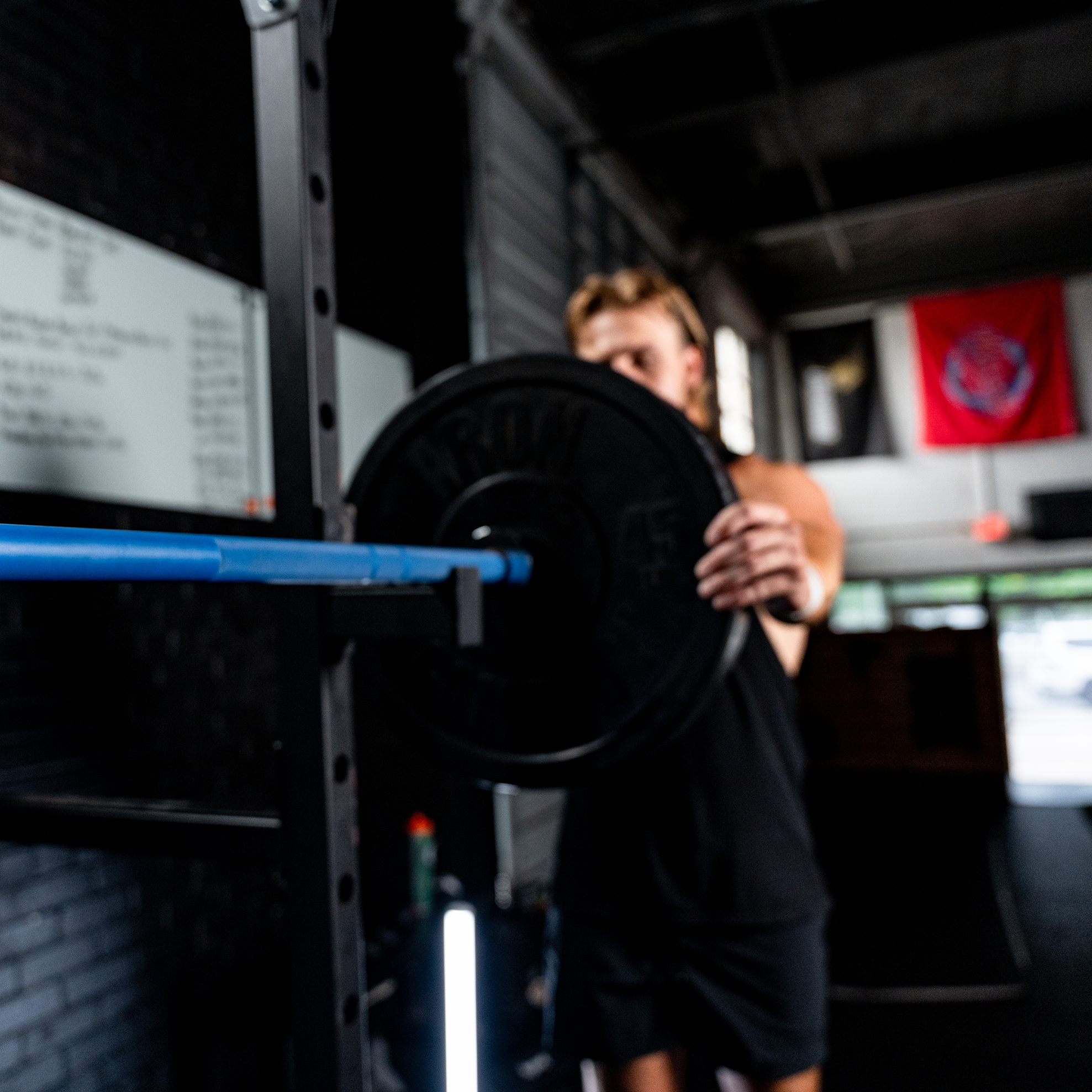
- The bar feels bouncy during walkouts
- The bar moves unpredictably during heavy reps
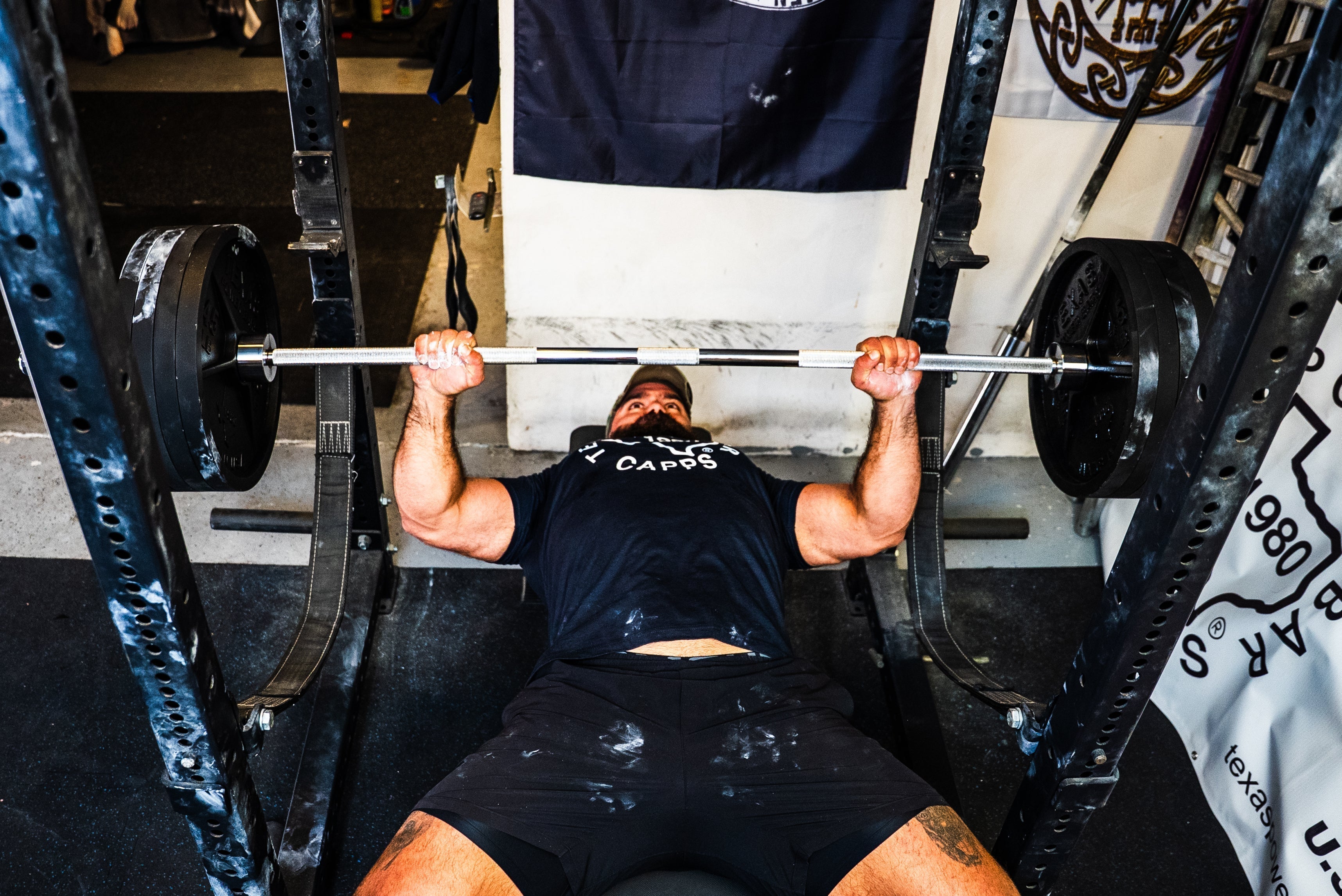
- Bench press feels harder to control off the chest
- Heavy attempts feel inconsistent even when setup is right
For lifters who need more stability from one bar, the Texas Power Bar PRO and Texas Power Bar ELITE upgrade into a stiffer 29mm shaft designed for less whip and more control.
For squat-specific stability, the Texas Squat Bar is built as a dedicated tool for maximum rigidity under heavy squat loads.
2. The Knurl Feels Slick, Passive, or Inconsistent
Knurling is your connection to the bar. When the knurl feels too smooth, worn down, or inconsistent, grip becomes harder than it needs to be.
A poor knurl can cause lifters to squeeze harder, waste energy, lose tightness, and rely too much on straps or chalk just to feel secure.
A Good Knurl Should Help You
- Hold the bar securely
- Stay tight during heavy bench press
- Keep the bar planted during squats
- Trust your grip during deadlifts
- Feel consistent rep after rep
The Texas Power Bar ORIGINAL delivers the classic aggressive Texas Power Bar grip. The PRO and ELITE let lifters choose between aggressive knurling for max effort days and medium knurling for daily training.
3. The Sleeves Rattle, Wobble, or Feel Loose
Sleeves do not need to spin like an Olympic weightlifting bar for powerlifting. But they should feel solid, controlled, and consistent.
Lower-quality bars can develop excessive sleeve play over time. This may show up as rattling, wobble, or a loose feel when loading plates or setting up for heavy lifts.
The heavier you train, the more small inconsistencies matter. A solid bar creates a more repeatable training experience.
| Sleeve Issue | What It Can Cause |
|---|---|
| Excessive rattling | Less confidence under heavy weight |
| Too much sleeve play | A less stable feel during setup and loading |
| Poor sleeve construction | Inconsistent performance over time |
Upgrading to a better-built bar can improve how the bar feels before the lift even starts.
4. You Are Running Out of Sleeve Space
Sleeve length matters more as strength increases. When plate loading becomes tight, the bar may start limiting the lifter.
This is especially noticeable with thicker iron plates, bumper plates, specialty plates, or collars that take up more room on the sleeve.
The Texas Power Bar ORIGINAL gives lifters standard loadable sleeve length. The Texas Power Bar PRO increases loadable sleeve space. The Texas Power Bar ELITE has the longest loadable sleeve length on a Texas Power Bar.
Upgrade Signal
When your strength, plates, or training setup start demanding more room on the sleeves, it may be time to move into a bar built with more loading capacity.
5. The Bar No Longer Matches How You Train
Sometimes the bar is not broken. It is just no longer the right tool for the job.
A beginner bar may be fine early on. A general training bar may work for lighter sessions. But as training becomes more specific, the bar should match the goal.
Powerlifting, heavy squatting, and deadlift-focused training all place different demands on equipment.
| Training Goal | Better Bar Choice |
|---|---|
| Classic powerlifting feel | Texas Power Bar ORIGINAL |
| Best-value 29mm upgrade | Texas Power Bar PRO |
| Best overall power bar upgrade | Texas Power Bar ELITE |
| Maximum squat stability | Texas Squat Bar |
| Deadlift-focused pulling | Texas Deadlift Bar |
The right bar should support your training instead of making each lift feel like a battle with the equipment.
What a Barbell Upgrade Can Change
A quality barbell upgrade can improve several parts of training at once.
- Better stiffness and control under heavy weight
- More consistent grip from the knurling
- More confidence during heavy attempts
- More loading room as strength increases
- Better sleeve construction and long-term durability
- A bar that matches the way you actually train
Great training comes from repeatability. When the bar feels the same every session, it becomes easier to focus on strength, technique, and execution.
Where to Start With Texas Power Bars
Texas Power Bars gives lifters several clear upgrade paths depending on training style.
Classic Upgrade: Texas Power Bar ORIGINAL
The standard Texas Power Bar feel with a 28.5mm shaft, aggressive knurling, 190K PSI steel, and proven durability since 1980.
Shop ORIGINALBest-Value Upgrade: Texas Power Bar PRO
A stiffer 29mm power bar with 200K+ PSI steel, less whip, longer sleeves, wider center knurling, and your choice of aggressive or medium knurling.
Shop PROBest Overall Upgrade: Texas Power Bar ELITE
The stiffest, most refined, and most modernized Texas Power Bar ever made, with the longest sleeves, smoothest sleeve feel, widest center knurl, and low-profile collars.
Shop ELITEFinal Thoughts
Barbells do not last forever, and not every bar is built for serious strength training.
When a bar feels unstable, the knurl feels slick, the sleeves feel loose, sleeve space runs out, or the bar no longer matches your training, it may be time to upgrade.
The right barbell gives you better grip, better control, better consistency, and more confidence under heavy weight.
Find Your Next Barbell
Compare the Texas Power Bar ORIGINAL, PRO, ELITE, Squat Bar, Deadlift Bar, and specialty bars to find the right upgrade for your training.

Leave a comment
All comments are moderated before being published.
This site is protected by hCaptcha and the hCaptcha Privacy Policy and Terms of Service apply.