

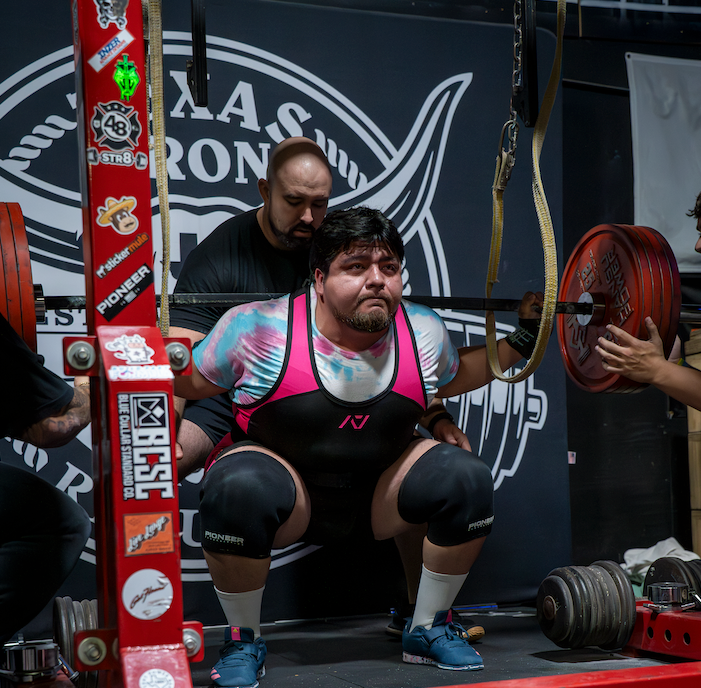
Best Barbell for Squats: Why Stability Matters Under Heavy Loads
The best barbell for squats is not always the bar that looks the most aggressive or has the biggest spec sheet.
For heavy squats, the bar needs to feel stable across the upper back, resist unwanted whip, stay secure during walkouts, and give the lifter confidence when the weight gets heavy.
Squats punish instability. If the bar moves too much, flexes too much, or shifts on the back, the lift can feel harder before the lifter even begins the descent.
That is why serious lifters often look for a stiffer, more stable barbell for squat training.
At Texas Power Bars, we have been building American-made barbells in Texas since 1980 using American steel. The Texas Squat Bar is purpose-built for lifters who want maximum rigidity, upper-back stability, reduced oscillation, and confidence under heavy squat loads.
What Makes a Good Squat Bar?
A good squat bar should help the lifter stay tight, stable, and in control.
The most important features for squat performance are:
- A thicker shaft for added rigidity
- Reduced whip under heavy loads
- Strong center knurling for back security
- A longer overall design for heavy loading and rack comfort
- Reliable steel that resists permanent bending
- Stable sleeve construction
- Durability under repeated heavy squat training
A squat bar is not just a heavier barbell. It is a specialty bar designed to feel more stable when the weight gets serious.
Why Squat Stability Matters
During a heavy squat, the bar is loaded across the lifter’s back.
Every step out of the rack matters. Every breath matters. Every small shift in balance matters.
If the bar whips or oscillates too much, the lifter has to fight the weight and the movement of the bar at the same time.
That is why stiffness and stability are so important for heavy squats.
A stable squat bar helps the lifter stay braced, keep the bar locked in position, and focus on the movement instead of fighting bar movement.
Squat Bar vs Power Bar: What’s the Difference?
A power bar is built for squat, bench press, and deadlift.
A squat bar is built specifically for heavy squats.
Compared to a standard power bar, a squat bar is usually:
- Thicker in diameter
- Heavier in total weight
- Longer overall
- More rigid under load
- Built with strong center knurling
- Designed for maximum back stability
The Texas Squat Bar uses a 31.75mm shaft, 55 lb / 25 kg weight, 96.5" overall length, 6" center knurl, and 200k tensile strength to create a stable, rigid feel for heavy squat training.
For lifters who want one bar for squat, bench press, and deadlift, a power bar like the Original Texas Power Bar or PRO Texas Power Bar can be a strong choice.
But for lifters who want a bar built specifically for heavy squats, a dedicated squat bar is the better tool.
Compare All Texas Power Bars →
1. Shaft Diameter: Why Thicker Bars Feel More Stable
Shaft diameter has a major impact on squat stability.
Most power bars are around 28.5mm to 29mm. That size works well for all-around powerlifting and general strength training.
Squat bars are usually thicker because a thicker shaft increases rigidity and reduces unwanted bar movement.
The Texas Squat Bar uses a 31.75mm shaft, giving lifters a more stable feel under heavy loads.
For heavy squats, that added thickness helps reduce whip and creates a more secure platform across the upper back.
2. Reduced Whip: Why Stiffness Matters in the Squat
Whip can be useful in some lifts, but heavy squats usually benefit from less movement.
When a bar whips during a squat, the lifter may feel the weight bounce or shift during the walkout, descent, or ascent.
That movement can make it harder to stay tight and maintain position.
A stiffer squat bar reduces unwanted oscillation so the lifter can focus on bracing, depth, and driving out of the bottom.
This is one of the main reasons dedicated squat bars exist.
3. Center Knurl: Keeping the Bar Locked In
Center knurling is important for squat performance because it helps the bar stay secure against the lifter’s back.
Without enough center knurl, the bar may feel like it wants to slide, especially during heavy sets or sweaty training sessions.
The Texas Squat Bar uses a 6" center knurl to help keep the bar locked in place.
For serious squat training, that back security matters.
4. Bar Weight: Why Squat Bars Are Often Heavier
Many standard power bars weigh around 44 to 45 lb.
Dedicated squat bars are often heavier because they use more steel, a thicker shaft, and a more heavy-duty design.
The Texas Squat Bar weighs 55 lb / 25 kg.
That added weight is part of what creates the stable, planted feel lifters expect from a true squat bar.
The goal is not to make the bar harder to use. The goal is to make it more stable under serious loads.
5. Bar Length: Why Squat Bars Are Longer
Squat bars are often longer than standard power bars.
A longer bar can provide more room for hand placement, rack setup, and heavy loading.
The Texas Squat Bar is 96.5" long, giving lifters a purpose-built squat design for serious training environments.
For bigger lifters, wider hand placements, and heavy squat setups, that added length can make the bar feel more comfortable and stable.
6. Steel Quality: Stability Without Permanent Bend
A squat bar needs to be rigid, but it also needs to stay straight after repeated heavy training.
That requires quality steel, proper manufacturing, and consistent construction.
A low-quality bar may feel fine at lighter weights but become unstable, bent, or unreliable as the loading increases.
The Texas Squat Bar is built with American steel and 200k tensile strength for heavy squat training.
For lifters choosing a squat bar, steel quality and long-term durability matter just as much as diameter or weight.
Best Barbell for Squats by Lifter Type
The best squat barbell depends on your training goals.
Best for Dedicated Heavy Squat Training
The Texas Squat Bar is the best choice for lifters who want maximum rigidity, upper-back stability, reduced whip, and a bar built specifically for heavy squats.
Best for One-Bar Powerlifting Setups
The Original Texas Power Bar is a strong choice for lifters who want one aggressive power bar for squat, bench press, deadlift, and general strength training.
Best for a Stiffer Powerlifting Feel
The PRO Texas Power Bar is a strong choice for lifters who want a stiffer power bar with reduced whip for heavy squat and bench press training.
Best for General Strength Training
The Texas All American Bar is a strong choice for lifters who want a medium knurl and versatile feel for general strength training, home gyms, and higher-volume work.
Should Beginners Use a Squat Bar?
Beginners can use a squat bar, but most beginners do not need one right away.
For many new lifters, a quality power bar or versatile training bar is a better first purchase because it can be used for more movements.
A squat bar makes more sense when:
- The lifter is training heavy squats consistently
- Bar movement or whip becomes distracting
- The gym needs a dedicated squat bar
- The lifter competes in a setting that uses squat bars
- The lifter already owns a general power bar
For a first barbell, the Original Texas Power Bar or Texas All American Bar may be more practical.
For a dedicated heavy squat bar, the Texas Squat Bar is the better fit.
Squat Bar vs Power Bar: Which Should You Buy?
Choose a squat bar if your main goal is maximum stability under heavy squats.
Choose a power bar if you need one bar for multiple lifts.
| Goal | Best Bar Type | Texas Power Bars Option |
|---|---|---|
| Maximize squat stability | Squat bar | Texas Squat Bar |
| One bar for squat, bench, and deadlift | Power bar | Original Texas Power Bar |
| Stiffer powerlifting feel | Stiff power bar | PRO Texas Power Bar |
| General strength training | Versatile training bar | Texas All American Bar |
Why Choose the Texas Squat Bar?
The Texas Squat Bar is built for lifters who want a true dedicated squat bar.
Key features include:
- 31.75mm shaft for maximum stability
- 55 lb / 25 kg weight for a heavy-duty squat feel
- 96.5" overall length for serious squat training
- 6" center knurl for back security
- 200k tensile strength
- American steel
- Made in Texas
- Purpose-built squat performance
Since 1980, Texas Power Bars has built American-made barbells trusted by serious lifters. The Texas Squat Bar continues that legacy with a bar designed specifically for heavy squat stability.
Final Thoughts: What Is the Best Barbell for Squats?
The best barbell for squats depends on your goal.
If you want one bar for general strength training, a power bar may be the better first choice.
If you want a dedicated squat bar built for maximum stability, rigidity, and heavy loads, the Texas Squat Bar is built for that job.
A great squat bar should feel stable on the back, resist unwanted whip, stay secure during the walkout, and give the lifter confidence under heavy weight.
That is exactly why dedicated squat bars exist.

Leave a comment
All comments are moderated before being published.
This site is protected by hCaptcha and the hCaptcha Privacy Policy and Terms of Service apply.