

Best Squat Bar for Powerlifting: What to Look For Before You Buy
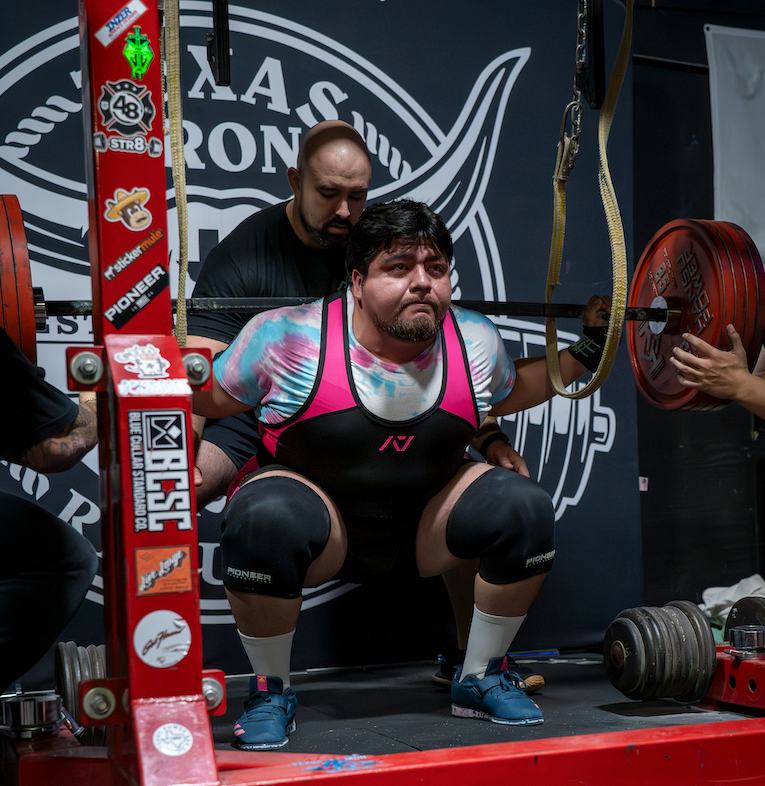
Looking for the best squat bar for powerlifting? The right squat bar should do more than support heavy weight. It should stay stable during walkouts, grip securely across your back, provide enough room for plates, and withstand years of serious training.
Not all squat bars are designed the same way. Shaft diameter, bar length, collar spacing, knurling, sleeve length, and steel quality can make meaningful differences once the weight gets heavy.
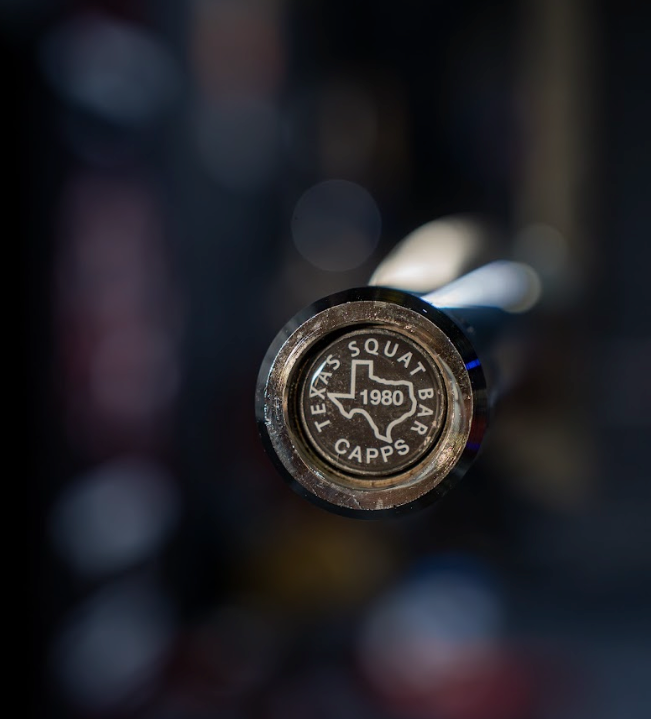
At Texas Power Bars, we've manufactured American-made barbells using American steel since 1980. Our newest Texas Squat Bar PRO was redesigned specifically to increase rigidity and stability during heavy squats.
What Is the Best Squat Bar for Powerlifting?
The best squat bar for powerlifting is one that combines high shaft stiffness, secure knurling, appropriate rack dimensions, reliable construction, and sufficient loadable sleeve space.
For lifters seeking a dedicated 25kg squat bar designed around maximum rigidity, the Texas Squat Bar PRO is a strong choice. It features a 32mm shaft, 94.5-inch overall length, 55.5-inch inside collar width, aggressive end-to-end knurling, and 17.75-inch loadable sleeves.
However, the best bar depends on whether you are training specifically for heavy squats or need a versatile bar for squat, bench press, and deadlift.
1. Shaft Diameter: Why a Thicker Squat Bar Matters
Squat bars are generally thicker than traditional power bars to reduce unwanted bending under heavy loads.
Standard powerlifting bars often use 28.5mm or 29mm shafts. Dedicated heavy squat bars commonly use thicker shafts to prioritize rigidity.
The Texas Squat Bar PRO uses a 32mm diameter shaft, upgraded from 31.75mm on the previous generation.
For otherwise comparable solid steel shafts, bending stiffness increases with the fourth power of diameter. This makes shaft thickness an important part of heavy squat stability.
But diameter isn't everything. Overall bar geometry also matters.
2. Stiffness and Whip: What Happens Under Heavy Loads?
When a loaded bar bends and rebounds during a squat, lifters may feel oscillation or bouncing as they walk out, descend, and drive upward.
A stiffer squat bar is designed to minimize this unwanted movement.
The Texas Squat Bar PRO combines its 32mm shaft with a shorter 94.5-inch overall length and narrower 55.5-inch inside collar width.
Its low-profile collars position the plates closer to the lifter, contributing to a design focused on reducing flex under heavy loads.
No steel barbell is completely free from elastic bending, but reducing unnecessary oscillation is an important goal in specialty squat-bar design.
3. Knurling: Keeping the Bar Secure on Your Back
Strong knurling matters because a squat bar must stay secure against the lifter's upper back.
Traditional power bars often have a smaller center knurl section. Some specialty squat bars offer additional knurl coverage to accommodate different squat positions and shoulder widths.
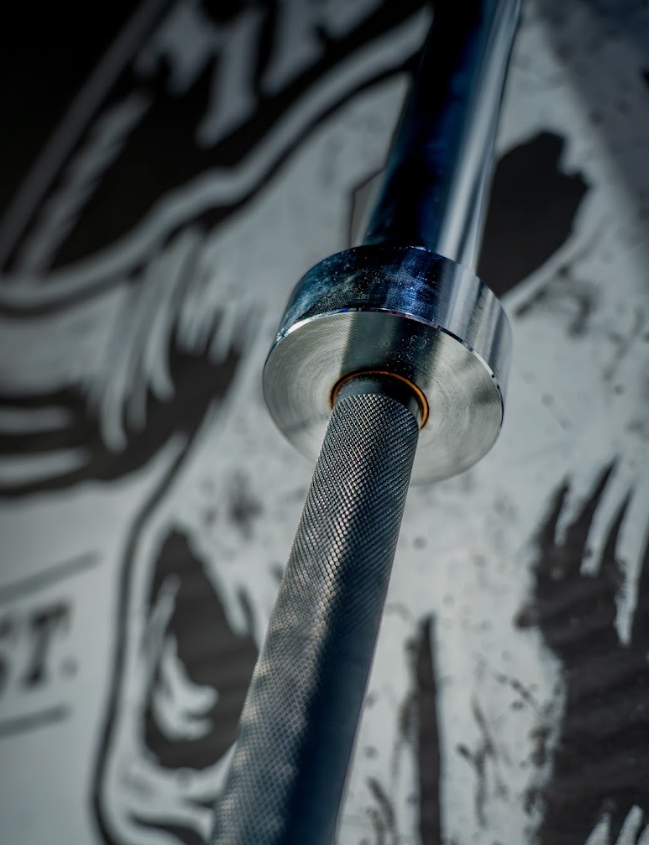
The Texas Squat Bar PRO uses aggressive end-to-end knurling with powerlifting and center alignment markings.
This replaces the previous generation's limited 6-inch center knurl and provides traction across a much larger portion of the shaft.
For high-bar and low-bar squatters, a consistent gripping surface helps maintain bar position during heavy sets.
4. Sleeve Length: How Much Weight Can You Load?
Loadable sleeve length determines how much space is available for weight plates and collars.
This matters most when training with thick plates, mixing plate types, or loading very heavy weights.
The Texas Squat Bar PRO features 17.75-inch loadable sleeves, increased from 16.875 inches on the previous generation.
Actual plate capacity depends on the thickness of the plates and the space required for collars. A longer sleeve provides additional loading room, but it does not by itself establish a universal maximum load rating.
5. Bar Length and Rack Compatibility
Before purchasing a specialty squat bar, make sure it fits the rack or squat stands you plan to use.
Important dimensions include the inside collar width, shaft placement on the J-cups, usable rack clearance, and the space available for plates.
The Texas Squat Bar PRO measures 94.5 inches overall with a 55.5-inch inside collar width.
It is designed for standard full-size power racks and squat stands, but owners of compact racks or unusual J-cup setups should verify their dimensions before ordering.
Also consider the bar's overall length when evaluating gym space and wall clearance.
6. Steel Quality and Long-Term Durability
A squat bar needs to resist permanent bending while tolerating repeated heavy loading.
Tensile strength is one useful specification, but it should not be confused with bending stiffness.
Bar durability also depends on steel quality, manufacturing consistency, heat treatment, shaft geometry, and how the bar is used.
The Texas Squat Bar PRO uses American steel rated at 200,000+ PSI tensile strength, together with maintenance-free bronze bushings and a heavy-duty 25kg design.
7. Finish: Bare Steel, Chrome, Zinc or Cerakote?
A squat bar's finish affects corrosion resistance, maintenance needs, and the feel of the knurling.
The Texas Squat Bar PRO is available in several finishes:
- Bare steel: Direct steel-to-hand and back contact, with regular maintenance required to prevent rust.
- Black zinc: A darker finish with additional corrosion protection.
- Chrome: A corrosion-resistant finish with a traditional metallic appearance.
- Cerakote: A ceramic-based finish available in multiple colors with strong corrosion protection.
The right finish depends on your gym environment, maintenance preferences, and desired grip feel.
8. Competition Use: Check Your Federation's Rules
Not every powerlifting federation uses the same barbell specifications or competition equipment.
Some meets use dedicated squat bars, while others require a specific approved power bar for all three lifts.
If you're buying a squat bar specifically for competition preparation, confirm the bar type and equipment standards used by your federation and meet organizer.
The Texas Squat Bar PRO is designed for competition-style squat training, but eligibility for a particular event should always be verified.
Texas Squat Bar PRO: What Makes It Different?
The newest generation brings together several important upgrades:
| Feature | Texas Squat Bar PRO |
|---|---|
| Shaft diameter | 32mm |
| Bar weight | 55 lb / 25kg |
| Overall length | 94.5" |
| Inside collar width | 55.5" |
| Loadable sleeves | 17.75" |
| Knurling | Aggressive end-to-end |
| Collars | Low-profile |
| Tensile strength | 200,000+ PSI |
Each feature serves the same goal: giving serious squatters a more rigid, stable and secure training tool.
Should You Choose a Squat Bar or a Premium Power Bar?
If you need one bar for squat, bench press, and deadlift, a premium power bar is usually more versatile.
The PRO Texas Power Bar is a stiffer 29mm upgrade over the classic Original, while the Texas Power Bar ELITE offers the premium 20kg power bar experience with refined collars, extended sleeves, and knurling options.
For dedicated heavy squat training, the Texas Squat Bar PRO offers the thicker 32mm shaft and specialized geometry that a three-lift power bar does not prioritize.
Who Should Buy a Dedicated Squat Bar?
A dedicated squat bar makes the most sense for:
- Competitive powerlifters preparing for meets that use specialty squat bars.
- Advanced athletes regularly training heavy squats.
- Powerlifting gyms serving serious strength athletes.
- Home gym owners who already have a primary power bar.
- Lifters seeking maximum upper-back traction and reduced bar oscillation.
Beginners or lifters who need only one bar may be better served by a PRO or ELITE power bar first.
Final Verdict: What Is the Best Squat Bar for Powerlifting?
The best squat bar combines stiffness, grip, reliable construction, adequate loading space, and compatibility with your training setup.
The Texas Squat Bar PRO was engineered with these priorities in mind. Its upgraded 32mm shaft, shortened 94.5-inch design, low-profile collars, full-length aggressive knurling, and 17.75-inch loadable sleeves make it a strong choice for dedicated heavy squat training.
Built in Texas with American steel since 1980.
Shop Texas Squat Bar PRO | Compare All Texas Power Bars | Read Lifter Reviews

Leave a comment
All comments are moderated before being published.
This site is protected by hCaptcha and the hCaptcha Privacy Policy and Terms of Service apply.