

Power Bar vs Deadlift Bar: What’s the Difference?
If you train squat, bench press, and deadlift, you’ve probably heard people talk about using a power bar versus a deadlift bar.
At first glance, they may look similar. Both are straight barbells. Both hold plates. Both can be used to deadlift.
But once the weight gets heavy, the difference becomes obvious.
A power bar is built for balanced performance across squat, bench press, and deadlift. A deadlift bar is built specifically to maximize pulling performance from the floor.
At Texas Power Bars, we’ve been building American-made barbells with American steel since 1980. The difference between a power bar and deadlift bar is not marketing — it is engineering.
What Is a Power Bar?
A power bar is a barbell designed for the three main powerlifting movements:
- Squat
- Bench press
- Deadlift
Because it needs to perform well across multiple lifts, a power bar is built with a balance of stiffness, grip, sleeve rotation, and durability.
Texas Power Bars offers multiple power bar options depending on how you train:
- Original Texas Power Bar — 28.5mm shaft, aggressive knurling, classic balanced power bar feel
- 29mm Texas Power Bar — stiffer competition-style feel with reduced whip under heavy loads
A power bar is usually the best choice for lifters who want one bar to handle heavy squat, bench press, and deadlift training.
What Is a Deadlift Bar?
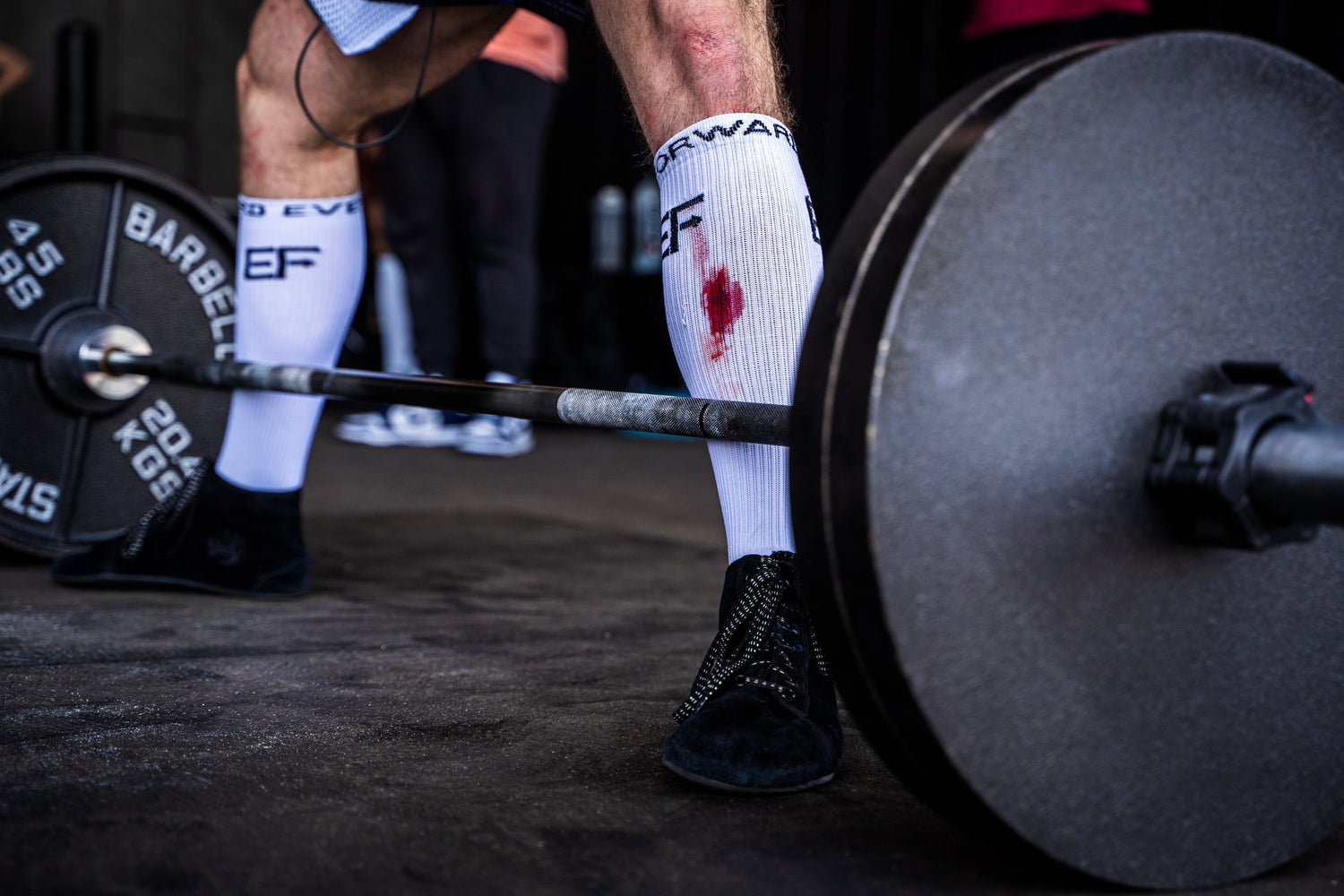
A deadlift bar is a specialty barbell designed specifically for pulling from the floor.
Compared to a power bar, a deadlift bar is typically:
- Longer overall
- Thinner in shaft diameter
- More flexible under load
- Built with aggressive outer knurling
- Designed without center knurling
The Texas Deadlift Bar uses a 27mm shaft, 92.5" overall length, aggressive knurling, no center knurl, and around 190k tensile strength to create controlled flex for heavy pulls.
The goal of a deadlift bar is not maximum stiffness. The goal is controlled bend, grip, and pulling performance.
Power Bar vs Deadlift Bar: Main Differences
The easiest way to understand the difference is to look at how each bar is designed to behave under load.
| Feature | Power Bar | Deadlift Bar |
|---|---|---|
| Primary Use | Squat, bench press, deadlift | Deadlift |
| Shaft Diameter | Usually 28.5mm–29mm | Usually thinner, such as 27mm |
| Whip / Flex | Stiffer and more controlled | More controlled flex off the floor |
| Knurling | Aggressive with center knurl | Aggressive outer knurl, no center knurl |
| Best For | Versatile powerlifting and strength training | Maximizing deadlift performance |
Compare All Texas Power Bars →
Diameter: Why Deadlift Bars Are Thinner
Shaft diameter has a major impact on how a bar feels.
A power bar is thicker because it needs to stay stable during squat and bench press.
- Original Texas Power Bar — 28.5mm shaft
- 29mm Texas Power Bar — 29mm shaft for added stiffness
A deadlift bar is thinner because a smaller diameter improves grip and allows more flex.
- Texas Deadlift Bar — 27mm shaft for controlled flex and pulling performance
Thicker bars generally feel more stable. Thinner bars generally feel easier to grip and allow more bend under load.
Whip and Flex: Why Deadlift Bars Bend More
One of the biggest differences between a power bar and deadlift bar is whip.
Whip refers to how much the bar flexes under load.
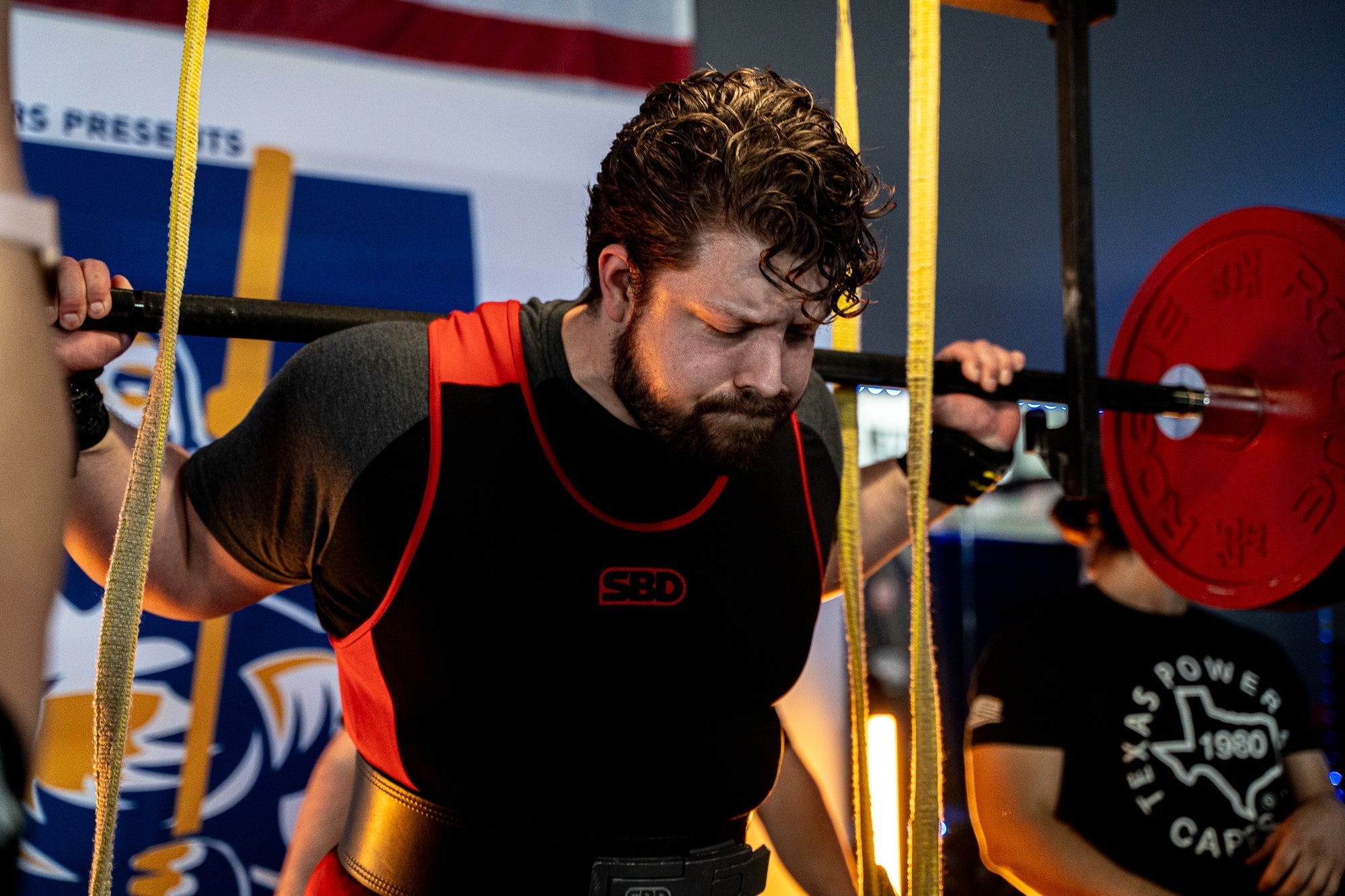
In squats and bench press, most lifters want less whip because extra movement can make the lift feel unstable.
In deadlifts, controlled flex can be useful because the bar begins to bend before all the plates fully leave the ground.
This allows the lifter to build tension before the full load is moving.
That is why the Texas Deadlift Bar is built longer and thinner than a power bar. It is designed to flex under heavy pulls and return to straight.
Knurling: Grip Differences Between Power Bars and Deadlift Bars
Both power bars and deadlift bars need strong knurling, but the purpose is slightly different.
A power bar needs grip for multiple lifts:
- Hands during bench press
- Hands during deadlift
- Back security during squats through the center knurl
The Original Texas Power Bar and 29mm Texas Power Bar are known for aggressive knurling that supports heavy squat, bench press, and deadlift training.
A deadlift bar prioritizes pulling grip above all else.
The Texas Deadlift Bar uses aggressive outer knurling and no center knurl, giving lifters maximum grip where it matters without unnecessary center texture for pulling.
Can You Deadlift With a Power Bar?
Yes. You can absolutely deadlift with a power bar.
For many lifters, a power bar is the best first choice because it works well for squat, bench press, and deadlift.
The Original Texas Power Bar is a strong option for lifters who want one bar that can handle serious strength training across multiple movements.
The 29mm Texas Power Bar is a better fit for lifters who want a stiffer bar with less flex during heavy squat and bench press work.
However, if deadlift performance is a major priority, a dedicated deadlift bar offers a different pulling experience.
Should You Buy a Power Bar or Deadlift Bar First?
For most lifters, the answer depends on training goals.
Choose a Power Bar First If You:
- Need one bar for squat, bench press, and deadlift
- Are building a home gym
- Want a balanced bar for general strength training
- Prefer a stiffer feel across multiple lifts
Best options:
Choose a Deadlift Bar If You:
- Prioritize deadlift performance
- Compete in a federation that uses deadlift bars
- Want more controlled flex off the floor
- Prefer a thinner shaft for pulling grip
- Already own a power bar and want a specialty pulling bar
Best option:
Power Bar vs Deadlift Bar for Home Gyms
If you are building a home gym, a power bar is usually the best starting point.
It gives you one bar that can handle heavy squat, bench press, deadlift, rows, presses, and general strength training.
As your training becomes more specific, adding a deadlift bar can help you get more out of pulling-focused sessions.
That is why many serious home gyms eventually include both:
- A power bar for balanced strength training
- A deadlift bar for heavy pulling
Strength Is Not One-Size-Fits-All
A power bar can do many things well.
A deadlift bar is built to do one thing exceptionally well.
That is the reason specialty bars exist. They allow lifters to match the tool to the training goal instead of forcing one balanced bar to do every job.
Explore more purpose-built options here: Texas Power Bars Specialty Bars.
Why Lifters Trust Texas Power Bars
Since 1980, Texas Power Bars has built American-made barbells using American steel trusted by generations of lifters.
From the Original Texas Power Bar to the Texas Deadlift Bar, every design is built around real-world lifting performance.
With thousands of 5-star reviews and decades of use in serious training environments, Texas Power Bars are trusted by lifters who care about grip, durability, and performance under load.
Final Thoughts
The difference between a power bar and deadlift bar comes down to purpose.
A power bar is built for balanced strength training across squat, bench press, and deadlift.
A deadlift bar is built specifically for pulling performance, controlled flex, and aggressive grip.
Neither is universally better. The right choice depends on how you train.

Leave a comment
All comments are moderated before being published.
This site is protected by hCaptcha and the hCaptcha Privacy Policy and Terms of Service apply.