

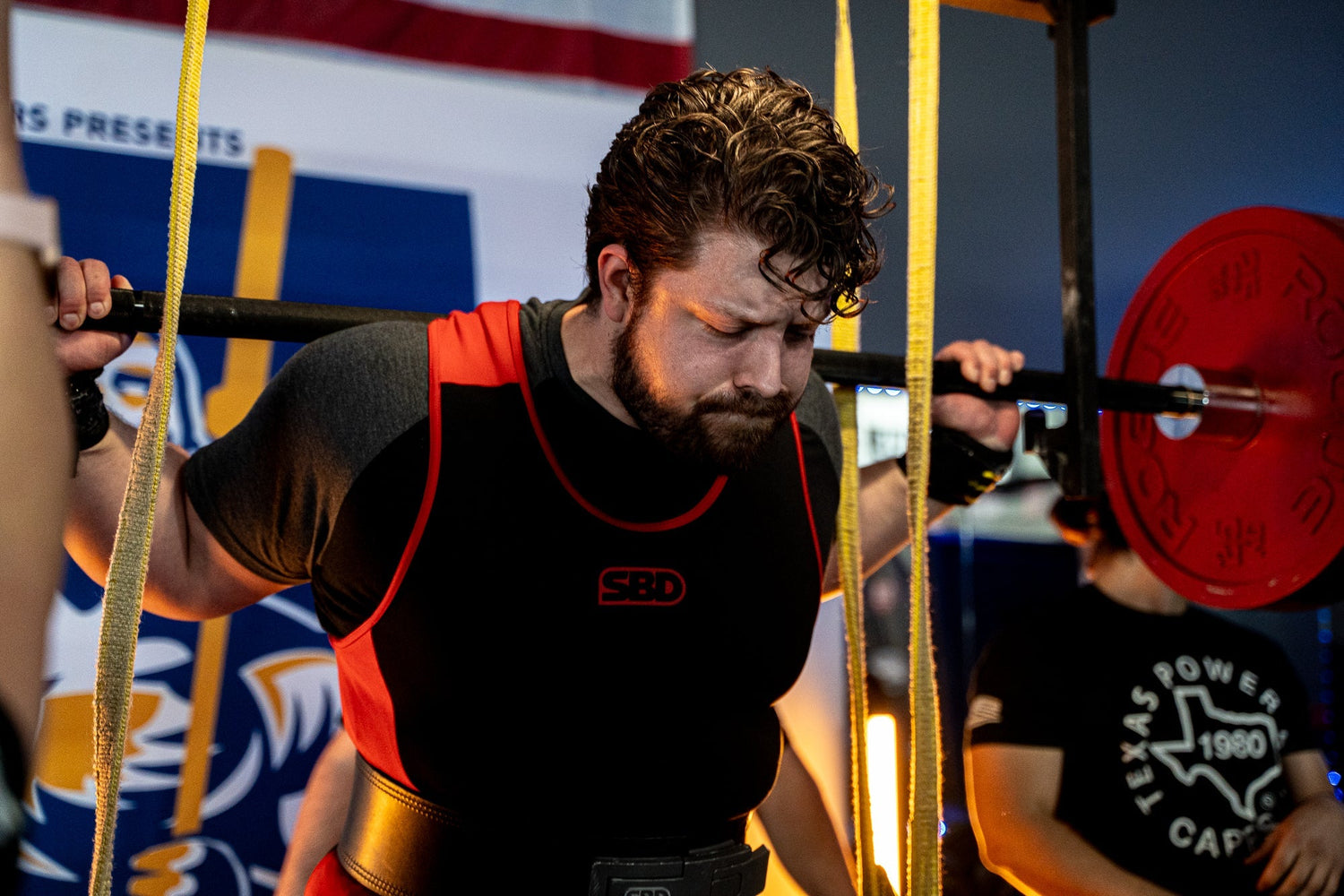
Why Are Squat Bars Thicker? Squat Bar vs Power Bar Explained
If you’ve ever handled a dedicated squat bar, one thing stands out immediately:
It feels thicker, heavier, and more stable than a standard power bar.
That isn’t accidental. Squat bars are built differently because heavy squats demand a different kind of barbell performance.
At Texas Power Bars, we’ve been building American-made barbells with American steel since 1980. The Texas Squat Bar exists for one reason: maximum stability under serious squat loads.
What Is a Squat Bar?
A squat bar is a specialty barbell designed specifically for heavy squatting.
Compared to a standard power bar, a squat bar is typically:
- Thicker in diameter
- Longer overall
- Heavier in total weight
- More rigid under load
- Equipped with a more pronounced center knurl
The goal is simple: reduce movement, increase stability, and help the lifter stay tighter under heavy weight.
Why Are Squat Bars Thicker?
Squat bars are thicker because diameter directly affects stiffness.
A thicker shaft reduces flex and limits whip, which matters when hundreds of pounds are loaded across your upper back.
The Texas Squat Bar uses a 31.75mm shaft, making it significantly thicker than standard power bars.
That thicker diameter helps:
- Reduce bar oscillation during walkouts
- Improve upper-back stability
- Keep force directed more consistently
- Create a more secure feel under maximal loads
For heavy squats, less movement usually means more confidence.
Squat Bar vs Power Bar: What’s the Difference?
A power bar is designed to handle squat, bench press, and deadlift well.
A squat bar is designed to maximize squat performance specifically.
- Power Bar → balanced performance across multiple lifts
- Squat Bar → maximum rigidity and stability for heavy squats
The Original Texas Power Bar is a classic 28.5mm power bar built for versatility.
The 29mm Texas Power Bar adds stiffness for lifters who want a more rigid competition-style feel.
The Texas Squat Bar takes that concept further with a 31.75mm shaft, 55 lb / 25kg total weight, has a longer overall length, 200k tensile strength, and a 6" center knurl.
Compare All Texas Power Bars →
Why Stiffness Matters in the Squat
Heavy squats punish instability.
If a bar has too much whip, it can bounce during the walkout, shift across the back, or oscillate as the lifter reverses out of the bottom.
That movement can make the lift feel harder than it needs to be.
A thicker squat bar helps reduce unwanted movement so the lifter can focus on position, bracing, and driving out of the hole.
- Less whip during walkouts
- Less bounce under heavy load
- More secure upper-back position
- More predictable bar path
Why Squat Bars Are Heavier
Many squat bars weigh 55 lb / 25kg instead of the standard 44–45 lb power bar weight.
That added weight comes from the thicker shaft, longer design, and heavy-duty construction.
The Texas Squat Bar weighs 55 lb / 25kg and is built for lifters handling serious loads.
This heavier build contributes to the stable, planted feel that many advanced squatters prefer.
Why Squat Bars Are Longer
Squat bars are often longer than standard power bars.
The added length helps with rack fit, hand spacing, and load distribution, especially for larger lifters or very heavy squats.
The Texas Squat Bar measures longer overall than a standard power bar, giving lifters more room and a stronger platform for heavy squat training.
What Does the Center Knurl Do?
The center knurl helps keep the bar secure across the upper back.
During heavy squats, a smooth center section can allow the bar to shift, especially when sweat, shirt material, or heavy loads are involved.
The Texas Squat Bar includes a 6" center knurl designed to improve bar security during heavy squat attempts.
For serious squat training, that extra grip across the back matters.
Who Should Use a Squat Bar?
A squat bar is best suited for lifters who prioritize heavy squatting and want maximum stability under load.
The Texas Squat Bar is a strong fit for:
- Powerlifters focused on heavy squat training
- Advanced lifters handling maximal loads
- Gyms that need a dedicated squat bar
- Lifters who dislike bar whip during walkouts
- Athletes who want a more secure upper-back feel
If you mostly train general strength, a power bar may be enough. If squatting heavy is a major focus, a dedicated squat bar can make a noticeable difference.
Do Beginners Need a Squat Bar?
Most beginners do not need a dedicated squat bar right away.
A versatile bar like the Original Texas Power Bar or Texas All American Bar is usually a better starting point for general training.
As strength increases and squat loads get heavier, a specialty bar like the Texas Squat Bar becomes more valuable.
Strength Is Not One-Size-Fits-All
A power bar can do many things well.
A squat bar is built to do one thing exceptionally well.
That is why specialty bars exist. They help lifters get more out of specific lifts rather than forcing one balanced bar to do every job.
Explore more purpose-built tools here: Texas Power Bars Specialty Bars.
Why Lifters Trust the Texas Squat Bar
Since 1980, Texas Power Bars has built American-made barbells using American steel trusted by generations of lifters.
The Texas Squat Bar reflects that same commitment to strength, durability, and real-world performance.
With its thicker 31.75mm shaft, 55 lb / 25kg weight, longer overall length, 200k tensile strength, and 6" center knurl, it is built for lifters who want maximum squat stability.
Read Texas Power Bars Reviews →
Final Thoughts
Squat bars are thicker for a reason.
More diameter means more stiffness, less whip, and greater stability under heavy squat loads.
If you are training heavy squats seriously, the right bar can make the lift feel more controlled, more secure, and more predictable.

Leave a comment
All comments are moderated before being published.
This site is protected by hCaptcha and the hCaptcha Privacy Policy and Terms of Service apply.